
Prologue - There Are No Bad Trips, Only Bad Attitudes
Eight Days Solo to Burntroot and Back
Trip at a Glance
Trip Length: 8 Days / 7 Nights
Solo Trip #: 3
Backcountry Trip #: 8
Planned Route:
Canoe Lake → Otterslide Lake → Big Trout Lake → Burntroot Lake (3 nights) → Big Trout Lake → Burnt Island Lake → Canoe Lake/Home
Actual Route:
Canoe Lake → Burnt Island Lake → Big Trout Lake → Burntroot Lake (3 nights) → Big Trout Lake → Little Otterslide Lake → Canoe Lake/Home
Paddling Distance: 88.8 km
Portaging Distance: 27.6 km
Total Distance Travelled: 116.4 km
Total Portages: 26
New Lakes Travelled: 6
New Creek Travelled: 1
Favourite Campsite: Anchor Island, Burntroot Lake
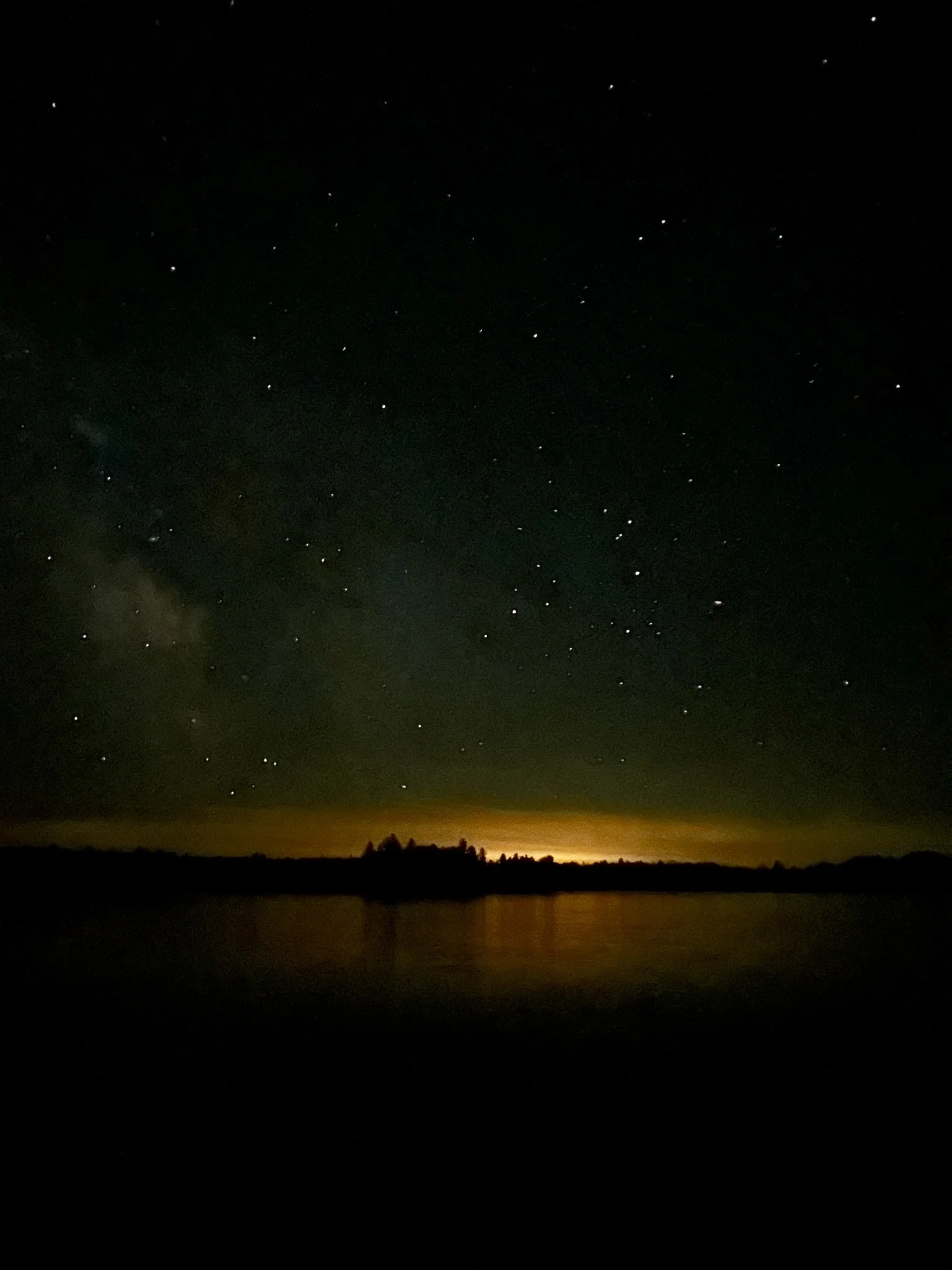
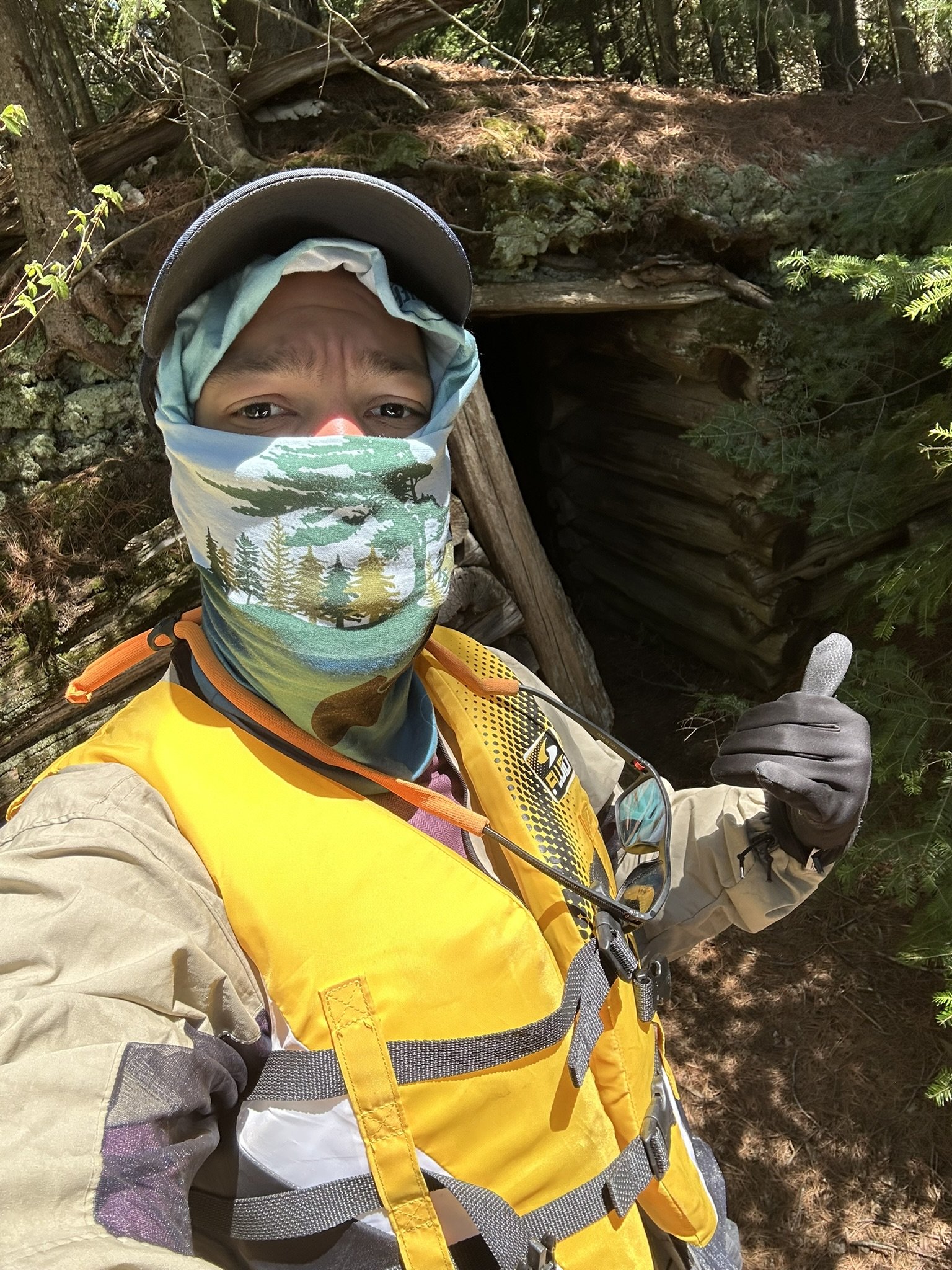
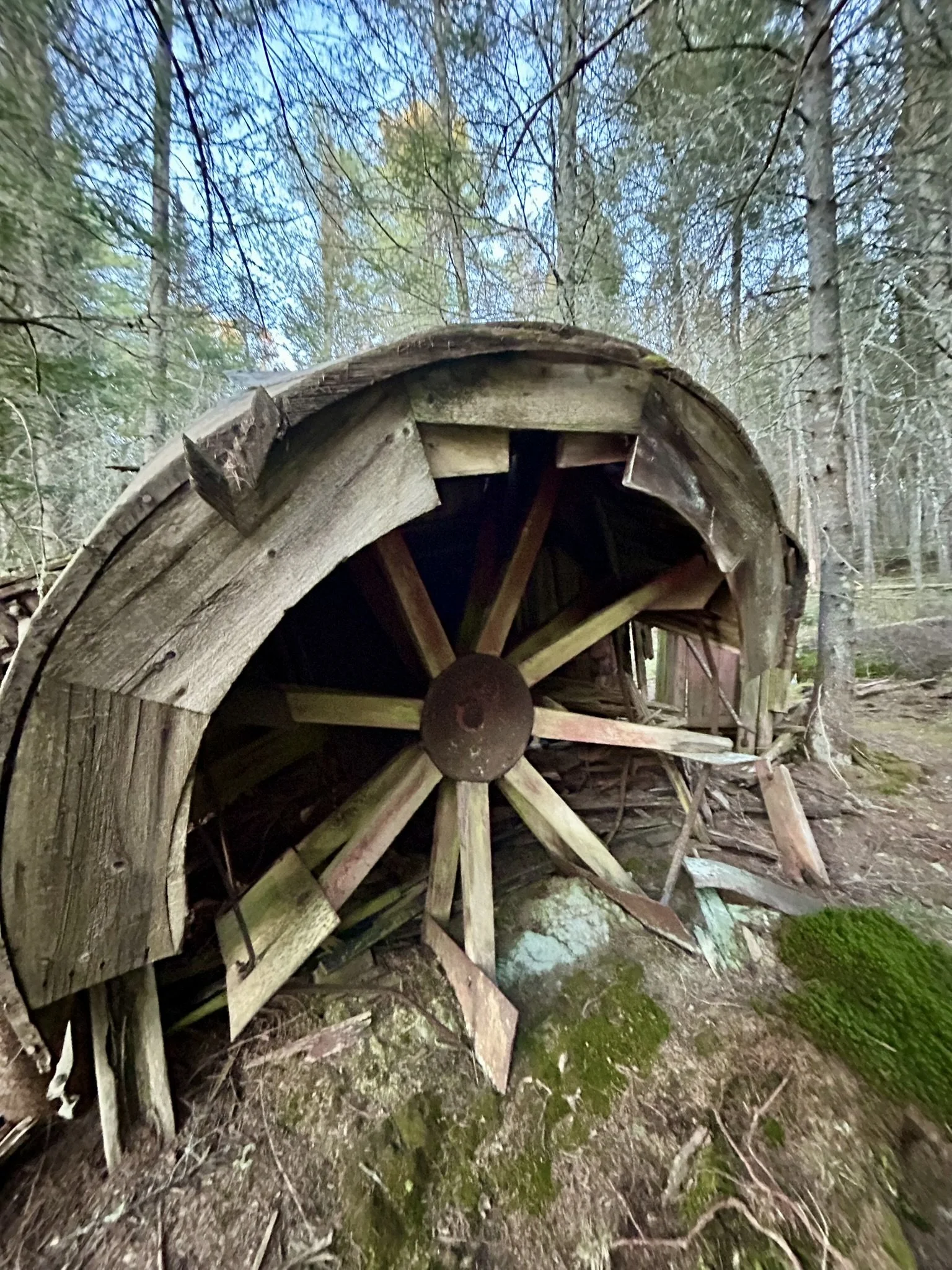
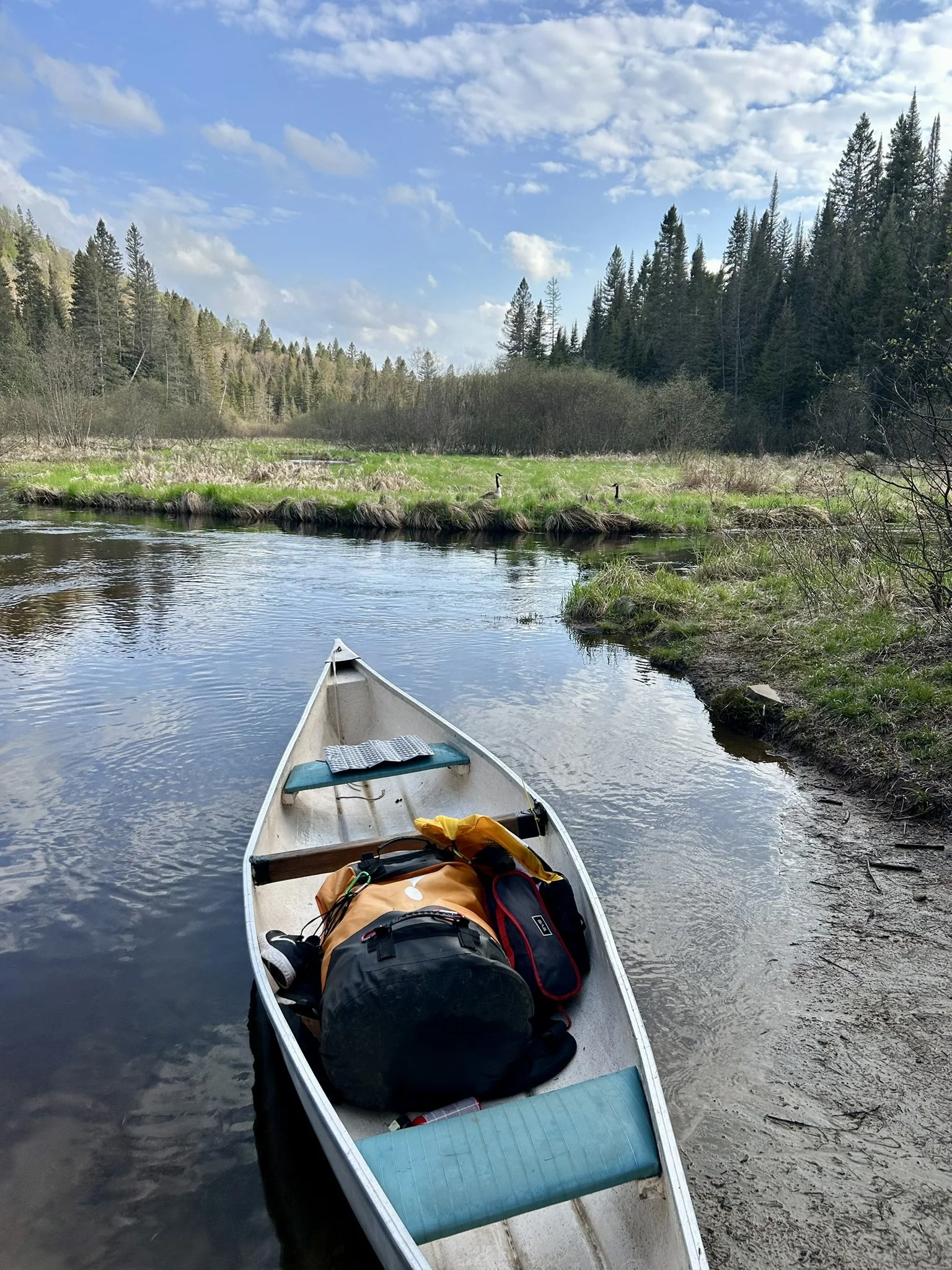
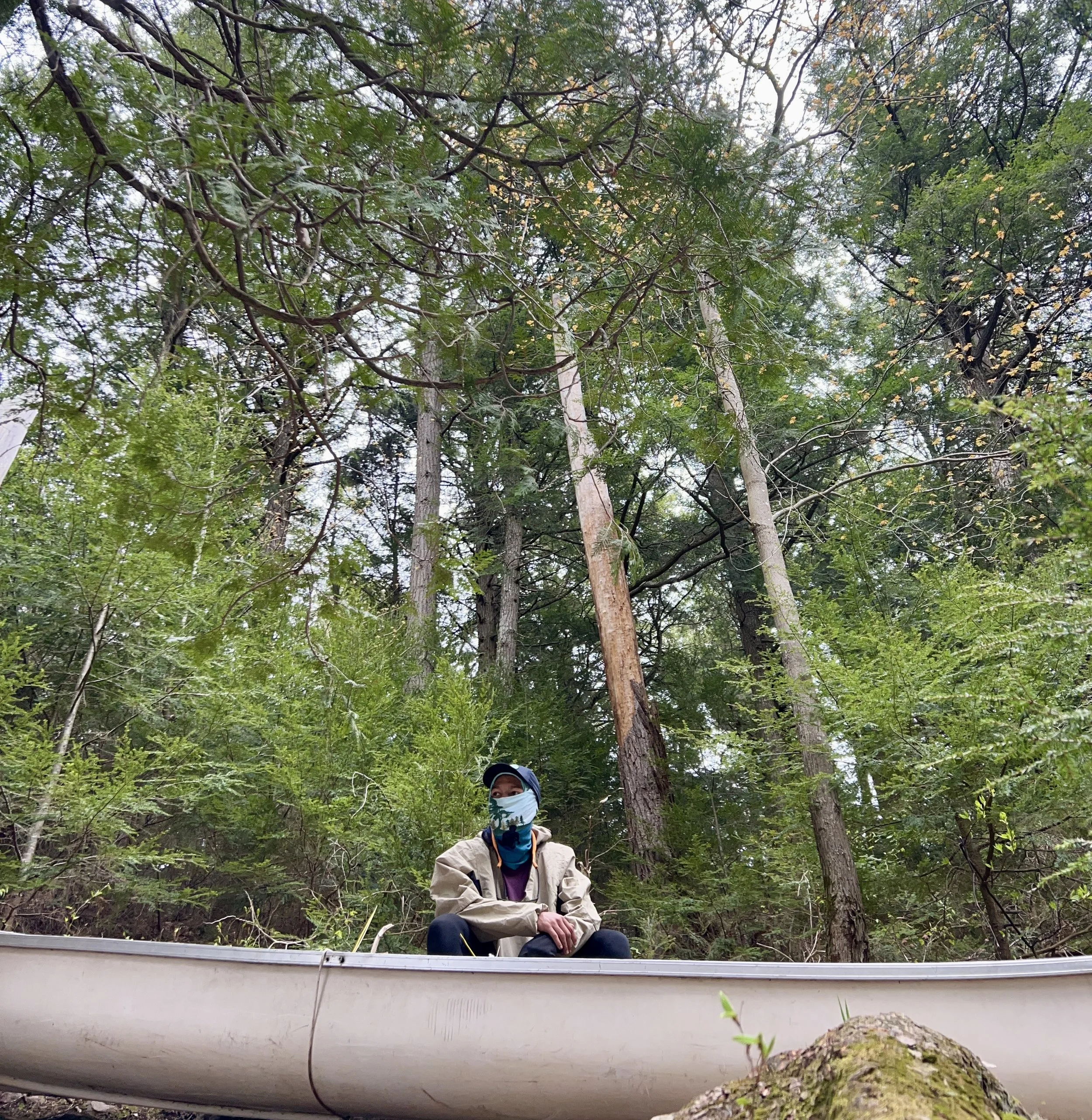
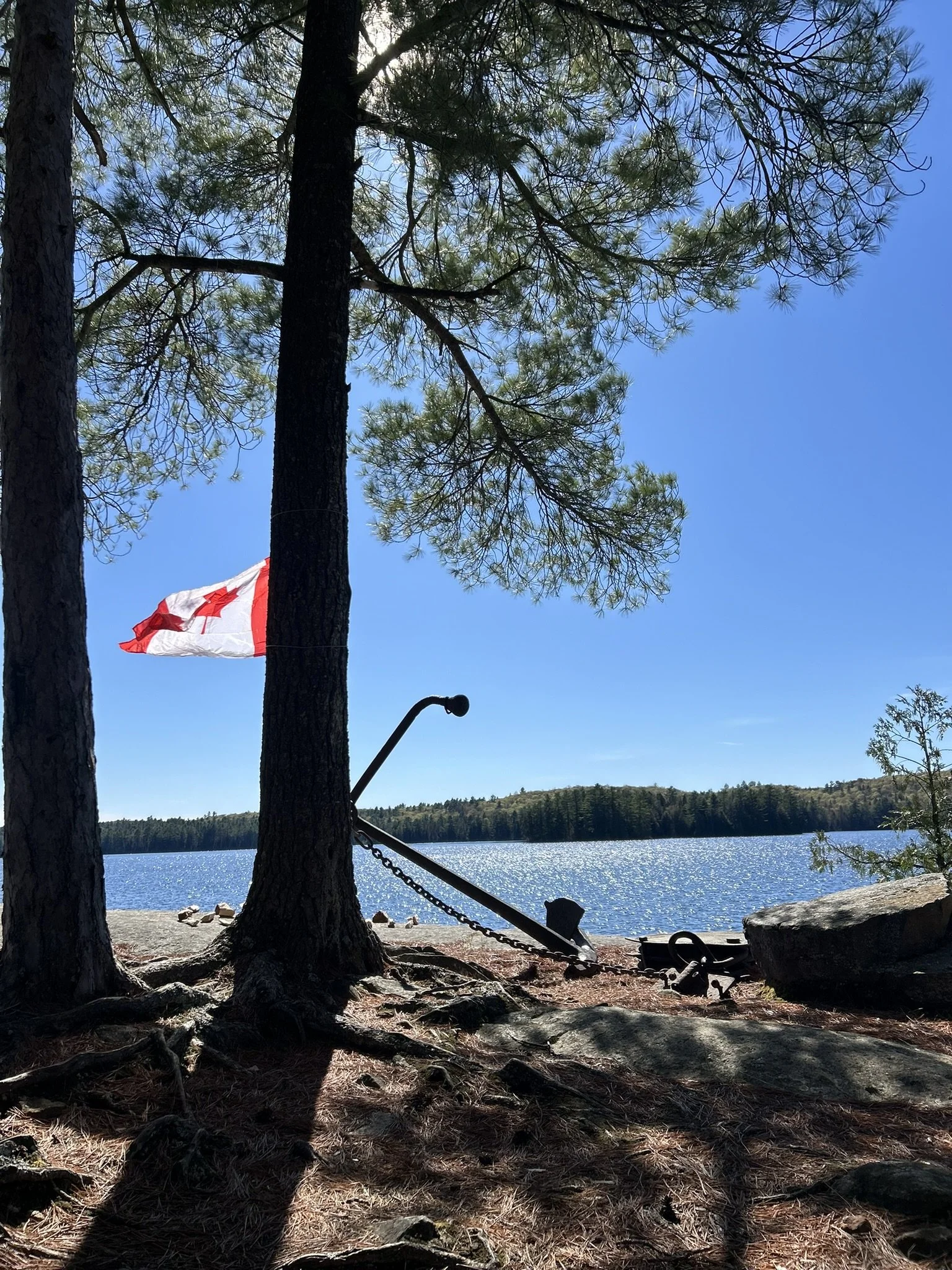
This trip had been in my head for years. I've been backcountry canoe tripping for about five years now, and this was my third solo trip and eighth backcountry trip overall. Most of my previous trips had been with my girlfriend Nicole, while others were with friends, but over the last few years I had slowly developed a real appreciation for solo travel. There is something fundamentally different about being alone in Algonquin. The pace changes, the decisions become yours alone, and every success or mistake belongs entirely to you. Solo trips have a way of teaching lessons that are much harder to learn when you're sharing responsibilities with someone else.
For all those years, I rented canoes. Like many paddlers, I dreamed about owning my own canoe one day, but the reality is that canoe tripping can be expensive. Between permits, gas, food, equipment, and canoe rentals, the costs add up quickly. Earlier this year, I finally found a canoe on Facebook Marketplace and decided it was time. I brought it home, spent the spring testing it around Bayfront Park in Hamilton, and gradually became comfortable paddling it solo. This trip would be its first true wilderness test and, as it turned out, a much bigger test than I ever anticipated.
The destination was Burntroot Lake. For years, Burntroot had occupied a special place in my imagination, and a large part of that came from watching Mark in the Park videos and reading about the area's history. The old alligator logging tug at the south end of the lake, the anchor on Anchor Island, the root cellar near Portal Rapids, and the stories of Algonquin's logging era all captured my attention. Burntroot felt different from many of the destinations I had visited before. It wasn't simply another lake to camp on. It felt like a place with a story, a place that rewarded curiosity and exploration, and a place I had wanted to experience for myself for a very long time.
The original route was straightforward enough. The plan was to travel from Canoe Lake to Otterslide Lake, then to Big Trout Lake, and finally into Burntroot Lake where I would spend three nights exploring the area. After that, I would simply retrace my route back to Canoe Lake and head home. On paper, it looked like a challenging but manageable trip. There were no ambitious route changes, no complicated loops, and no major unknowns. At least, that was the plan before reality decided to get involved.
The trip also arrived during an interesting season of my life. Professionally, I work as a therapeutic coach and spend much of my time helping children, youth, and families navigate challenges. I'm also pursuing graduate studies on the path toward becoming a social worker. A lot of my work focuses on perspective, resilience, distress tolerance, and problem-solving. Those are skills that are relatively easy to discuss in an office or a therapy room, but they become much more meaningful when you're forced to apply them yourself. Throughout this trip, I found myself reflecting on many of the same lessons and skills that I encourage my own clients to practice.
I also found myself thinking a lot about two people during the trip. The first was Adam Shoalts. Anyone familiar with Canadian wilderness travel likely knows his work, and one thing that has always stood out to me is his ability to reframe adversity. When things go wrong, he seems to deliberately search for a reason why the situation might actually be a positive. Instead of focusing on what was lost, he focuses on what can still be gained. “No no, this is a good thing because…” became one motto of the trip. That perspective has stuck with me throughout the years and became incredibly important once the trip began.
The second person was one of my old trade school instructors, Al. Years ago, before psychology, before coaching, and before graduate school, I attended trade school and worked toward becoming a millwright. Al was one of those rare teachers who taught far more than the course material. One lesson in particular stayed with me long after I left his classroom. He called it the Three A's.
Attendance.
Aptitude.
Attitude.
Show up. Develop your skills. Control your attitude. Simple advice, but powerful advice. As the trip proceeded, I realized that one of those A's was becoming the foundation for the entire journey. My unofficial motto slowly emerged as: "There are no bad trips, only bad attitudes." That doesn't mean everything goes well. It doesn't mean every challenge is enjoyable, and it certainly doesn't mean poor planning magically becomes good planning. What it means is that perspective matters. The same rainstorm can become miserable or memorable. The same obstacle can become a reason to quit or an opportunity to grow. The attitude you bring into a situation often determines how you'll remember it afterward.
There was one final thing worth mentioning before the trip began. I made a mistake by heading into the backcountry without a satellite communicator. That is not something I would recommend to anyone, and it is not a decision I would encourage other solo paddlers to repeat. In today's backcountry world, satellite communication devices provide an important safety margin, particularly when travelling alone. Fortunately, nothing happened that required emergency communication, but looking back, it was a risk I should not have taken. It became one of several lessons that I carried home with me by the end of the trip.
As I loaded the canoe at Canoe Lake and pushed away from shore, I thought I knew what this trip would be. Eight days. A dream destination. Some history, some campfires, a few beautiful sunsets, and hopefully a lot of good memories. What I didn't know was that less than five hours later my canoe would break, and the trip I had spent months planning would suddenly look very different. As I would learn over the next eight days, some of the best adventures begin when the plan falls apart.