
Day 8 - There Are No Bad Trips, Only Bad Attitudes
There Are No Bad Trips, Only Bad Attitudes
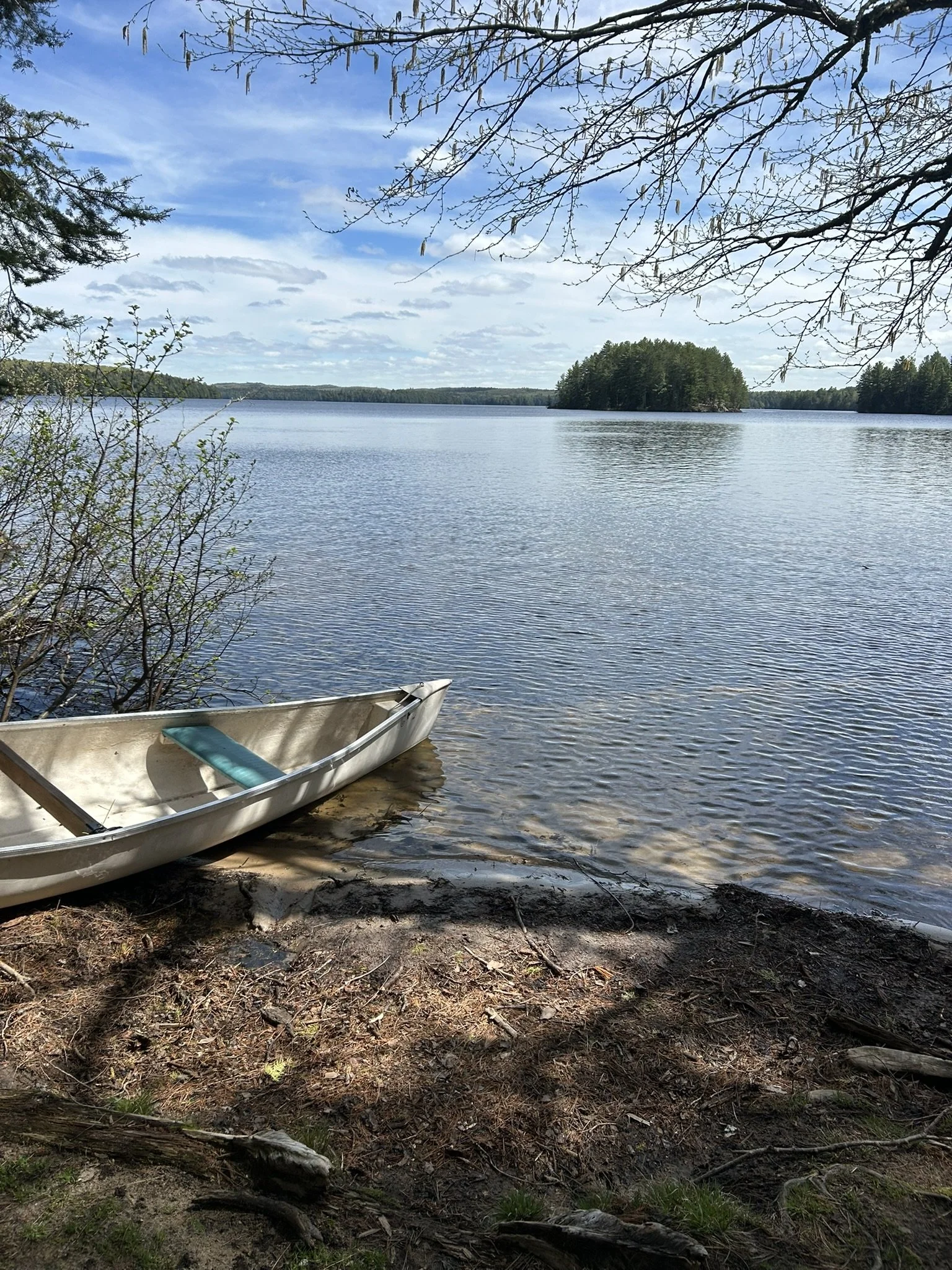
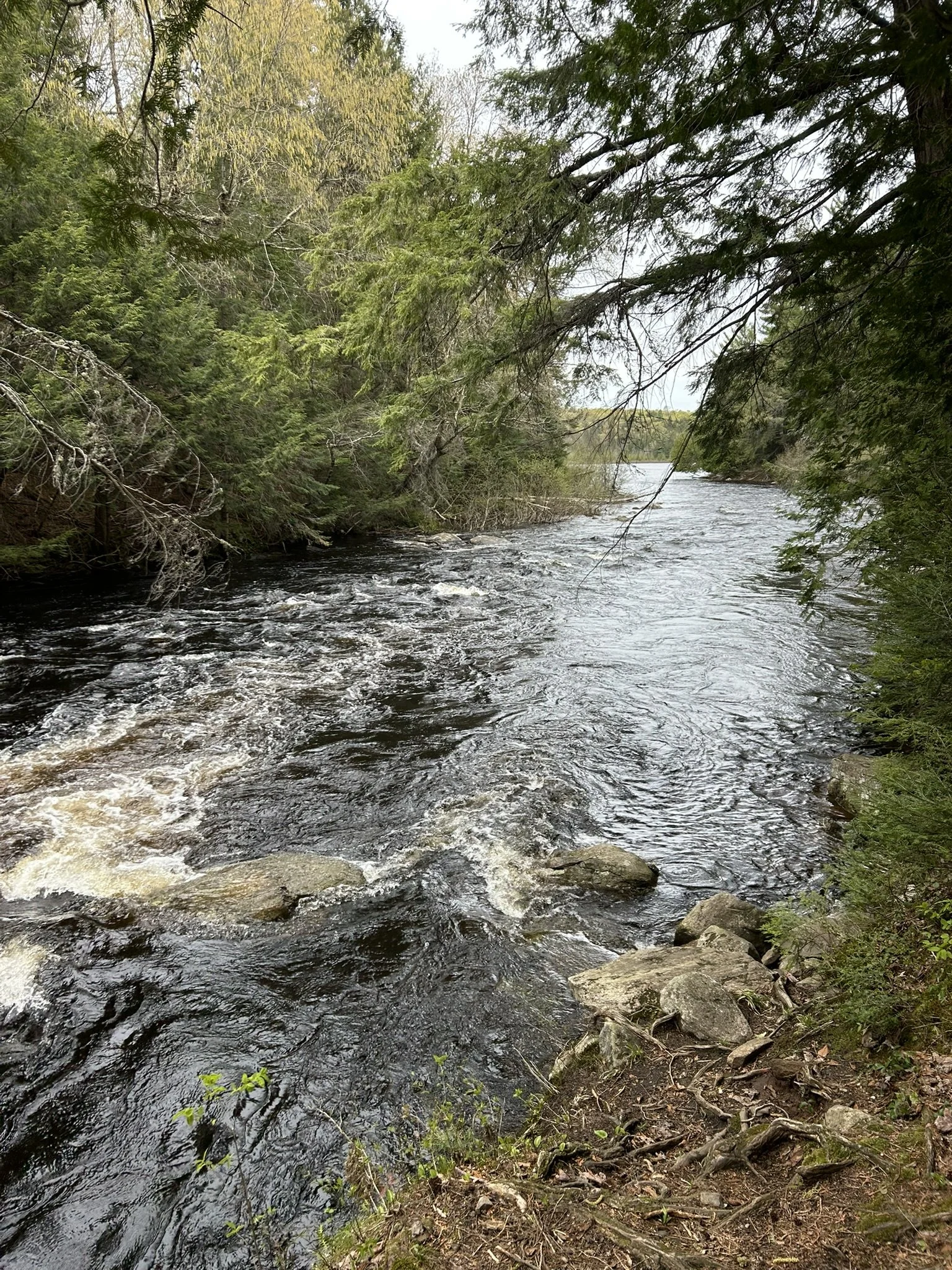
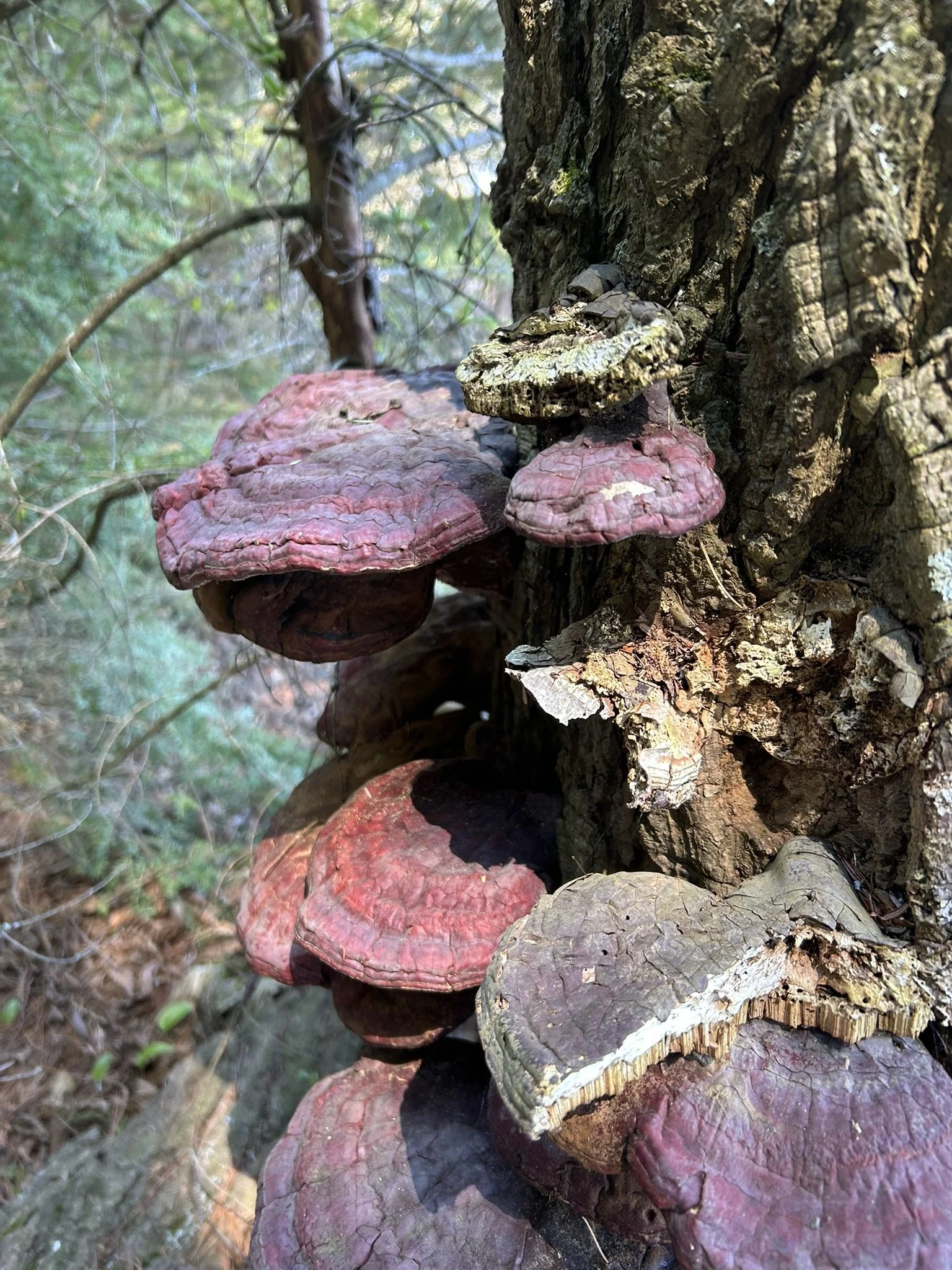
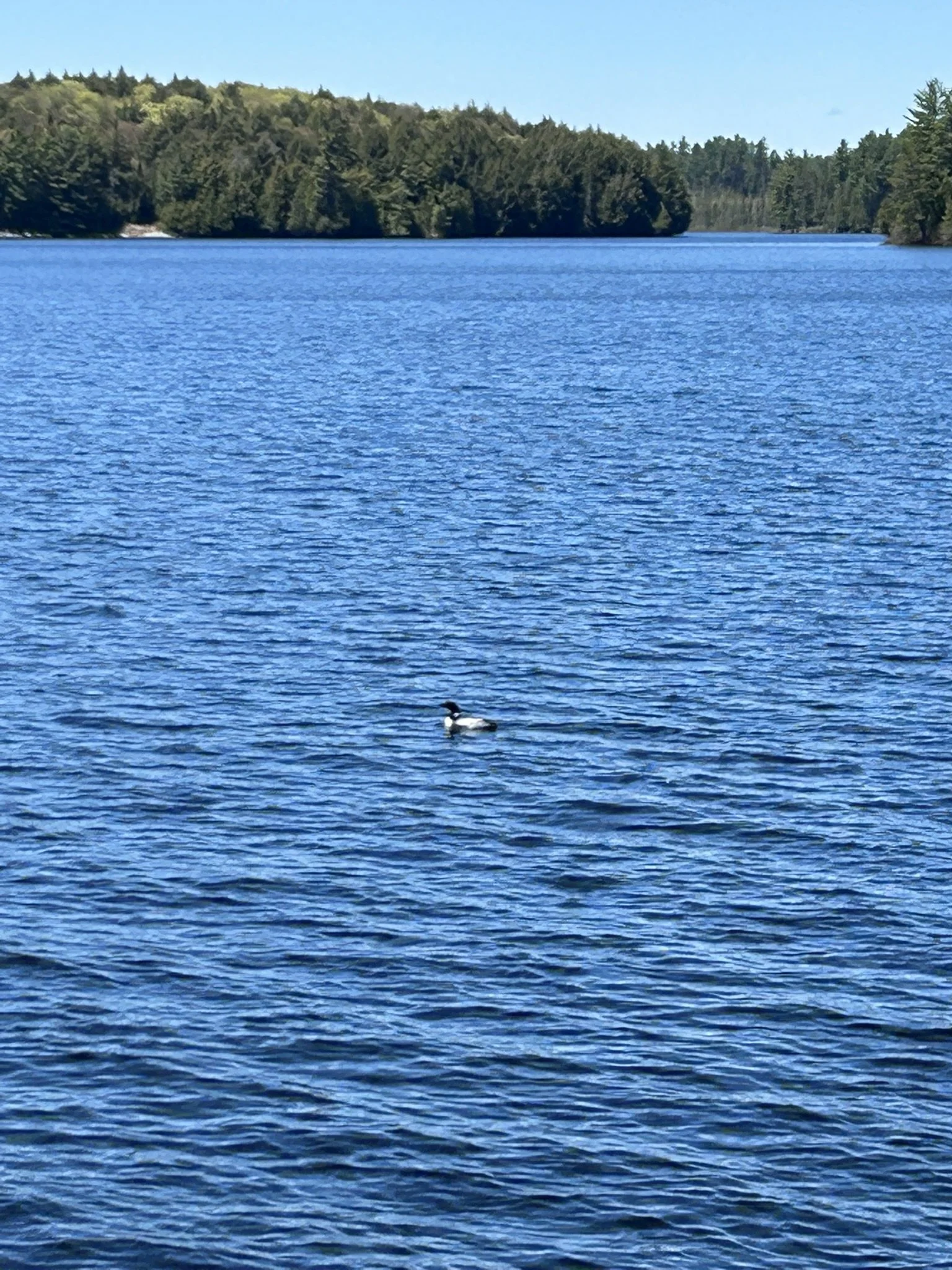
Day 8. My final day in the park. Every trip I've done before this one, whether it was others or solo, I've always felt the same thing at the end: "No. My time isn't up yet. I don't want to go home." I've always wanted one more day. One more paddle. One more sunset. One more morning coffee beside the lake. But this trip? I was ready. Not because it was a bad trip. Quite the opposite. I was ready because of how hard it had been. How cold it had been. How much it had demanded from me physically, mentally, and emotionally.
So when I woke up that morning, I woke up with purpose. I still had no idea what time it was. Everything electronic had died. No phone. No battery bank. No watch. But I made a decision that as soon as first light woke me up, I was getting up. Throughout the trip there had been plenty of mornings where I'd wake up, realize it was daylight, and then roll over for another hour or two because my body needed recovery. Not today. Today was go-home day. I didn't want Nicole worrying. I didn't want my family wondering where I was. And honestly, despite how warm and comfortable that sleeping bag felt, I wanted a hot bath, a real bed, and a Baconator.
That last one might have been the biggest motivator. The thought of Huntsville Wendy's honestly launched me out of the sleeping bag. I didn't bother with a proper breakfast. No stove. No fuel. No energy. I finished off the last of my snacks, ate my final piece of naan bread, made a cold BLT using my last slice of bread, some ready made bacon, lettuce, and mayo, then mixed up cold oatmeal with water and called it good enough. It was pretty delicious.
Eventually I pushed off and headed toward the final major obstacle of the trip: the 700 m portage into Burnt Island Lake. I remember looking at it and thinking: "Okay. Here we go. This is it." Because once I got through this portage, things started shifting. Yes, there were still many kilometers to travel. Yes, there were still portages left. But I could skip a couple of the smaller ones. I was moving into busier sections of the park. And I had a feeling I'd eventually run into people who might be willing to help.
The 700 m portage itself absolutely sucked. Mud. Boulders. Roots. Slippery sections. And this was the portage where the thwart finally gave up completely. Done. Finished. No more repairs. No more fixes. No more MacGyver engineering. The remaining attachment points finally failed and the thwart snapped off for good. So now the canoe sat crooked on my shoulders, bouncing against the top of my head every few steps. It wasn't necessarily painful. Just incredibly annoying. At this point though, I'd become an expert at travelling tree-to-tree. Slow. Methodical. Like a tortoise. Not a hare. And eventually, like every other obstacle on this trip, I got through it.
The funny thing was that the pack barely bothered me anymore. Between eating food and drinking my supply of rum, it was probably fifteen to twenty pounds lighter than it had been at the start of the trip. When I reached Burnt Island Lake I immediately noticed a huge group on the water. Probably twenty canoes total. I couldn’t quite yet tell if they were paddling towards me or away (I later learned they were going away in the opposite direction). Closer to me were three gentlemen paddling together coming to the portage landing. As I pushed off and paddled past them I had an urge to mess with them. I asked: "Gentlemen! What lake are we on?" This is moments after I left the portage landing, but the tone in my voice was serious. Immediately the guy in the back started reaching for the map looking genuinely concerned. The guy in the middle gave me a look that basically said, "What the hell, buddy?" And the guy in the front literally put his face in his hands. I was trying so hard not to laugh. Then I immediately said: "I'm kidding. I'm kidding."
What I actually wanted to know was the time. By now the clouds had finally started breaking apart and sunlight was showing through for the first time in what felt like forever. Looking around, I figured it was probably noon. Maybe 1 PM. When they told me it was only 10:20 AM, I was absolutely ecstatic. That feeling lasted about five minutes. Then Burnt Island reminded me that I still had work to do.
The wind picked up and the crossing became a grind. Nothing compared to Longer Lake. Maybe twenty percent of that. But my body was running on fumes. The tank was empty. And I think that's what made it feel so difficult. I spent most of the crossing staring at the group ahead of me thinking: "Catch them. Catch them. Catch them." Because I wanted help on the next portage. I never caught them on the water, but I did run into them later on.
Crossing Burnt Island was when my back really started to hurt. A deep, searing-like pain started to develop where my scapula are. I would constantly change positions from sitting on the seat to kneeling, which would alleviate the pain for 5-10 minutes.
When I got to the portage out of Burnt Island I was discouraged to not see a trace of the big group from before. Turns out they were just at the other end of the portage. When I made it to that end I was relieved to say the least. I made my introduction and gave an explanation of the situation. Turns out they were a high school group from Peterborough. The main teacher in charge stepped up immediately and helped me carry the canoe. We grabbed the handles and carried it together. At one point he had to stop because the handles were digging painfully into his hands, but together we got through it. He was amazed I had made it as far into the park as I had with such a heavy canoe, a broken thwart, and the weather conditions I'd dealt with. Then he said something that honestly meant a lot: "You got deep into the park and you're getting yourself back out. Great job." Simple. But hearing that felt really good.
They eventually moved on ahead while I continued toward Little Joe and Joe Lake. Ironically, because I could bypass some of the smaller portages by using the creek routes, I actually passed them again later before our routes split. From there it became a battle of pure stubbornness. The wind kept picking up. My back was absolutely screaming. And I mean screaming. I've never experienced soreness like that before. Every position hurt. I'd kneel for a while because it relieved pressure. Then kneeling would hurt. So I'd sit. Then sitting would hurt. So I'd kneel again. It was just constant management. Constant adaptation.
At multiple points I seriously considered pulling into a campsite and just sitting there for a while. But every time I thought about stopping, I thought about home. And Wendy's. Mostly Wendy's. Eventually I reached the Joe Lake portage. Nobody around. Just me and the canoe. I carried the pack first and thought: "Okay. It's only 200 metres. Just get it done." Then, as if the universe finally decided I'd suffered enough, an entire high school group came paddling in from Canoe lake.
Instant relief. While everyone was unloading gear and organizing packs, I made eye contact with one of the adults. Long grey hair. Glasses. A Tragically Hip hat. Just looked like one of those instantly likeable people. I explained my situation and jokingly offered a trade: "I'll carry some of your stuff if you help me with the canoe." Without hesitation he said: "Oh yeah. Let's go." His name was Rob. Absolute beauty of a human being.
We carried the canoe together and spent the entire portage talking. We bonded almost immediately. Even though they told me not to worry about helping afterward, I still grabbed a couple lighter packs and helped carry gear because they had helped me. It felt right. Before we parted ways, we even took selfies together on his phone. I'm genuinely going to try finding him on social media one day because he was just such a kind person.
After that I remember thinking: "Oh my gosh. We just have Canoe Lake left." Rob and the group told me the wind on Canoe Lake was mostly a sidewind and manageable. Thankfully, they were right. The crossing still took nearly an hour, maybe fifty or fifty-five minutes, but by then I could feel the finish line. Unfortunately, I could also feel every muscle in my back. The pain was unreal. Little Joe. Joe. Canoe Lake. My back felt like it was on fire. I just kept switching positions and surviving one section at a time.
And then finally, after eight days, I rounded the final bend. I saw the Portage Store. The beach. Algonquin Outfitters. Civilization. And I thought: "Oh my God. This is real. I'm actually making it home." When the canoe finally touched the beach, the feeling that hit me is almost impossible to describe. Relief. Joy. Pride. Gratitude. Everything all at once.
I stepped out of the canoe and basically collapsed onto the beach. There were three people swimming nearby, who I later learned worked at the outfitter. As I stumbled onto shore, they started cheering. "You did it!" "He's alive!" I just gave them a thumbs up and said: "He's alive." We chatted for a bit and I told them the story of the trip. The broken canoe. The weather. The darkness. The portages. All of it.
One of them was actually the same employee who had let me use the phone on Day 1 when I called Nicole. His first response? "Make sure you call your girlfriend." And honestly? Fair. The staff there were incredible. The folks at Algonquin Outfitters helped lift the canoe onto my car. They let me take my time. Nobody rushed me. They even offered to keep things open a little later and offered to help arrange food from the restaurant. But by that point there was only one thing on my mind. Wendy's.
So I loaded the canoe. Changed clothes. Called Nicole. Used the washroom. And hit the road. The entire drive to Huntsville was basically: "Wendy's. Wendy's. Wendy's. Wendy's." When I got there, I absolutely demolished: a Baconator, large fries, a JBC, six nuggets, a large Cherry Coke. One of them got refilled too. It was glorious. I don't know if it was actually the best fast-food meal I've ever eaten or if eight days in the backcountry had completely destroyed my ability to evaluate food objectively. Either way, it was incredible. Every bite felt earned. After a week of oatmeal, dehydrated meals, and camp food, that Wendy's feast tasted like fine dining.
Afterward I grabbed gas, water, black coffee, and stopped at Walmart for Epsom salts and a nail brush because I already knew exactly what I wanted to do when I got home. The drive back was smooth. I called Nicole and my family. And somewhere during that drive, I started reflecting on what this trip had actually been about.
The motto became clear. There are no bad trips. Only bad attitudes.
From the moment the thwart broke on Day 1, I had a choice. I could have decided the trip was ruined. I could have focused on the cold, the rain, the darkness, the broken canoe, and the exhaustion. Instead, every time something went sideways, I tried to come back to the same perspective that had carried me through the week: "No. This is a good thing." Not because the challenge was enjoyable in the moment, but because there was always something to learn from it. The broken canoe became a lesson in problem-solving. The headwinds became a lesson in perseverance. The long days became opportunities to build confidence. The setbacks became chances to practice exactly the same skills I spend my professional life teaching other people: perspective, distress tolerance, patience, and adaptability.
I also found myself thinking about Al, one of the best teachers I've ever had. Back in trade school, he taught us about the Three A's of success: Attendance. Aptitude. Attitude. Show up. Develop your skills. Maintain the right attitude. Simple advice, but powerful advice. Somewhere on this trip, I realized how much that lesson has stayed with me over the years. I couldn't control the weather. I couldn't control the wind. I couldn't control a broken canoe. But I could control my attitude, and because of that, one of the hardest trips I've ever done became one of the most rewarding experiences of my life.
As I drove home, I found myself thinking about everything the trip had given me. The history, the wildlife, the new lakes, the isolation, the storms, the laughter, the tears, and the people I met along the way all blended together into one incredible experience. I thought about the conservation officer on Burntroot, the teacher who helped carry my canoe, and Rob with his Tragically Hip hat. I thought about the anchor, the alligator, the wolves, and the countless moments that never would have happened if I had stayed home. Most of all, I thought about Anchor Island, which is now officially my favourite campsite I've ever stayed at. I wouldn't trade any of it. Not the broken thwart. Not the freezing nights. Not the headwinds. Not even Longer Lake.
I cried when I got back to the car, but it wasn't because the trip was over, and it wasn't because it had been particularly hard. It wasn't even relief. What surprised me most was that the emotion I felt strongest was pride. I was genuinely proud of myself. For eight days I dealt with problems I couldn't Google, weather I couldn't control, equipment failures I couldn't immediately fix, and challenges that demanded patience, adaptability, and persistence. Somehow, despite all of it, I had gotten through.
What a trip. What an adventure. And to Algonquin Provincial Park:
I'll see you again.
Trip at a Glance
Trip Length: 8 Days / 7 Nights
Solo Trip #: 3
Backcountry Trip #: 8
Planned Route:
Canoe Lake → Otterslide Lake → Big Trout Lake → Burntroot Lake (3 nights) → Big Trout Lake → Burnt Island Lake → Canoe Lake/Home
Actual Route:
Canoe Lake → Burnt Island Lake → Big Trout Lake → Burntroot Lake (3 nights) → Big Trout Lake → Little Otterslide Lake → Canoe Lake/Home
Paddling Distance: 88.8 km
Portaging Distance: 27.6 km
Total Distance Travelled: 116.4 km
Total Portages: 26
New Lakes Travelled: 6
New Creek Travelled: 1
Favourite Campsite: Anchor Island, Burntroot Lake